
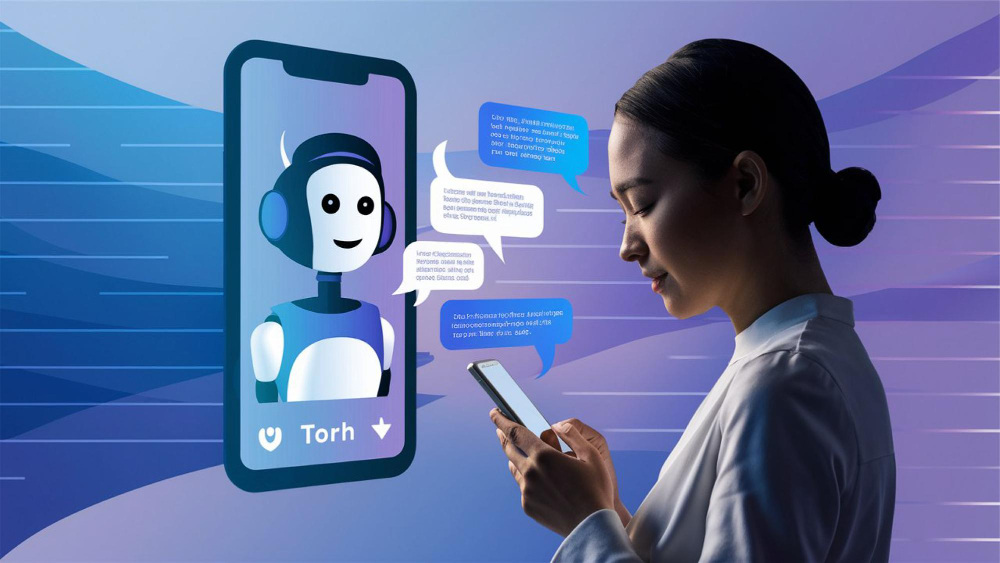
AI chatbots and virtual assistants have transformed the way businesses engage with potential clients. These intelligent tools automate lead interactions, providing instant responses and personalized experiences.
With more businesses shifting to digital-first strategies, AI-driven lead engagement is now essential. According to Forrester, 87% of B2B companies are implementing AI-powered conversational tools to enhance customer experiences【62†source】.
But why are AI chatbots and virtual assistants becoming a game-changer in B2B lead generation? Let’s dive in.
The Rise of AI in B2B Lead Generation
Traditional sales methods are no longer sufficient to meet the demands of today’s buyers. AI is bridging the gap with efficiency and intelligence.
1. Replacing Manual Lead Qualification
AI chatbots quickly assess leads by asking relevant questions and analyzing responses, ensuring that sales teams focus on high-value prospects.
2. Automating Follow-Ups & Nurturing
Instead of relying on human follow-ups, AI chatbots keep leads engaged through personalized messages, reminders, and content sharing.
3. AI Adoption Trends in B2B
According to Gartner, 75% of B2B organizations will use AI-powered sales enablement tools by 2026. These tools are revolutionizing lead engagement and improving conversion rates.
How AI Chatbots Enhance Lead Engagement
AI chatbots go beyond answering basic queries. They actively engage leads, increasing conversions.
1. 24/7 Lead Nurturing
Unlike human agents, AI chatbots work round-the-clock, responding to leads instantly and preventing lost opportunities.
2. Personalized & Intent-Based Conversations
By analyzing user behavior, AI chatbots tailor responses, offering relevant solutions based on previous interactions.
3. Omnichannel Engagement
Chatbots engage leads via websites, LinkedIn, WhatsApp, and emails, ensuring a seamless experience across all digital touchpoints.
4. AI-Driven Lead Scoring
Advanced chatbots assess lead quality based on interactions, prioritizing high-potential prospects for the sales team.
5. Predictive Analytics for Better Targeting
AI predicts lead behaviour and suggests the best engagement strategy, increasing the chances of conversions.
See also: The Future of AI in B2B Lead Generation
6. Integration with CRM & Marketing Tools
AI chatbots sync with CRM systems to update lead status and provide real-time insights for marketing teams.
AI Chatbots vs. Virtual Assistants: What’s the Difference?
While often used interchangeably, AI chatbots and virtual assistants serve different roles in B2B lead engagement.
1. AI Chatbots: Pre-Set Workflows & AI Responses
Chatbots follow structured conversations based on predefined workflows but can also utilize AI for dynamic responses.
2. Virtual Assistants: Advanced Automation
They perform complex tasks such as scheduling meetings, sending follow-up emails, and managing sales pipelines.
3. Choosing the Right AI Tool
Businesses should assess their needs—chatbots are ideal for customer queries, while virtual assistants excel in automating workflows and decision-making.
4. AI-Driven Chatbots for Sales Acceleration
Many businesses integrate chatbots with their sales process, reducing the time from inquiry to conversion.
5. Human-Bot Collaboration
Combining AI with human intervention ensures the best customer experience, with bots handling routine tasks and humans focusing on complex interactions.
6. Cost Efficiency & Scalability
AI chatbots reduce operational costs while scaling lead engagement without additional resources.
Case Studies: AI Chatbots in Action
Several B2B companies have successfully leveraged AI chatbots to boost their lead conversion rates.
1. HubSpot’s AI-Powered Chatbot
HubSpot’s chatbot engages leads instantly, qualifying them based on their responses and routing high-quality leads to sales teams, increasing conversion rates by 25%.
2. Drift’s Conversational AI
Drift’s AI chatbot personalizes interactions and has helped B2B companies reduce response time by 70%.
3. Marketo’s Smart Chatbot
Marketo uses AI-driven chatbots to nurture leads with tailored content, improving engagement rates by 40%.
4. AI Chatbots in SaaS Companies
Many SaaS businesses use AI chatbots to answer technical queries, book demos, and guide users through the onboarding process.
5. Chatbots in Financial Services
B2B finance companies use AI assistants to provide real-time financial insights, enhancing customer experience and increasing lead retention.
6. Success Metrics
Most AI-driven B2B chatbots report an increase in customer engagement and a reduction in lead conversion time by at least 30%.
Implementing AI Chatbots for Maximum ROI
To maximize ROI, businesses must choose and implement AI chatbots strategically.
1. Selecting the Right AI Chatbot Platform
Key features to look for include NLP capabilities, CRM integration, and analytics dashboards.
2. Best Practices for B2B Lead Nurturing
A combination of AI automation and human interaction ensures an effective lead nurturing process.
3. AI Optimization Strategies
Training AI chatbots with real-world customer data enhances accuracy and response quality.
4. Measuring Success Metrics
Tracking key metrics like engagement rates, response time, and conversion rates ensures the effectiveness of AI chatbots.
5. Continuous AI Learning
Regular updates and AI training help improve chatbot accuracy and efficiency.
6. Avoiding Common Pitfalls
Over-reliance on automation without human oversight can lead to poor customer experiences.
Future Trends in AI-Driven B2B Lead Engagement
AI technology continues to evolve, offering new opportunities for B2B lead engagement.
1. Predictive Analytics for Hyper-Personalization
AI-driven insights will enable businesses to create highly personalized lead engagement strategies.
2. Voice Assistants for B2B Interactions
Integration with Alexa and Google Assistant will further streamline lead interactions.
3. Ethical AI & Data Privacy
As AI adoption grows, businesses must prioritize ethical AI practices and data security.
4. AI-Generated Content for Engagement
AI will assist in content marketing, generating personalized email responses and blog recommendations.
5. AI-Powered Video Bots
Video-based AI chatbots will enhance lead engagement through interactive visual content.
How To Find Someone’s Email Address in 2025: Top 10 Proven Ways
6. Sentiment Analysis & Emotional Intelligence
Future AI bots will recognize customer emotions and respond accordingly to improve interactions.
Conclusion
AI chatbots and virtual assistants are revolutionizing B2B lead engagement. From instant responses to personalized nurturing, they streamline sales processes and improve conversion rates.
Businesses looking to adopt AI should start by selecting the right chatbot platform, optimizing AI workflows, and integrating AI-driven insights into their sales strategy.
Now is the time to embrace AI for lead engagement. Are you ready to transform your B2B sales with AI chatbots?